Statute of Limitations for IRS Audits: Key Rules Explained
Master the statute of limitations for IRS audits. Learn the 3-year and 6-year rules, exceptions, and how they protect your business

In this article
- Why Your IRS Audit Timeline Matters More Than You Think
- The date can matter more than the size of the mistake
- Understanding the Assessment Statute Expiration Date
- How the ASED works in practice
- When the Three-Year Rule Expands to Six Years
- Omitted income is not the same as an overstated deduction
- How to Calculate Your Specific Audit Deadline
- Build the calculation from the return outward
- Verify the deadline against IRS activity
- The Critical Difference Between Assessment and Collection
- Two clocks, two legal questions
- Scenarios Where No Statute of Limitations Applies
- When the normal clock doesn't protect the taxpayer
- Don't confuse a bad return with an open-ended period
The statute of limitations for IRS audits is usually 3 years, but it can expand to 6 years when a return omits more than 25% of gross income. In some filing situations, the normal deadline may not protect you at all.
A business owner can do everything right for years, then open the mailbox to find an IRS notice concerning a return they thought was long closed. The notice may arrive after bookkeeping systems have changed, employees have left, and the accountant who prepared the return no longer has the supporting files. At that point, the question is not just whether the return contains an error. The first question is whether the IRS still has legal authority to assess additional tax.
That makes the statute of limitations for IRS audits more than a calendar exercise. It can determine whether the IRS may still add tax, whether records remain essential, and whether a taxpayer has a procedural defense that should be raised before discussing the merits of the return.
Why Your IRS Audit Timeline Matters More Than You Think
A taxpayer who receives an examination notice often starts by searching for invoices, bank statements, mileage logs, and deduction receipts. That instinct is understandable, but it can skip the most important preliminary issue: has the assessment period expired?
For most U.S. taxpayers, the IRS generally has a 3-year assessment window. The period usually runs from the later of the return's due date or the date it was filed, and the IRS says routine audits generally don't go back beyond the last 3 years. A return filed on April 15, 2026 would generally remain open until April 15, 2029, unless an exception applies, as described in the IRS audit guidance.

The date can matter more than the size of the mistake
Suppose a small business owner receives a notice for a year that appears to be outside the ordinary window. The owner may feel compelled to explain every expense immediately. That can be a costly approach if the IRS is trying to assess new tax after the applicable assessment deadline.
The statute doesn't erase every tax problem. It addresses the IRS's authority to make a new assessment. If a valid assessment was already made, a different legal question arises, namely whether the IRS can collect that established liability.
The practical consequences are serious:
- Records may be unavailable: Old accounting software, payroll files, and bank records can be difficult to reconstruct.
- A missed deadline can weaken a defense: A taxpayer who doesn't identify the limitations issue may spend time debating facts that the IRS can no longer use to assess additional tax.
- Collection can involve a separate analysis: A closed audit window doesn't automatically mean an existing tax debt has disappeared.
Practical rule: Before defending the numbers, identify the return date, the filing date, the assessment deadline, and any event that may have changed the period.
A careful review of the notice and the taxpayer's filing history should come before a rushed response. Taxpayers who need a broader preparation checklist can review this guide to preparing for an IRS audit, but the limitations analysis remains specific to the return and the facts surrounding it.
Understanding the Assessment Statute Expiration Date
The Assessment Statute Expiration Date, commonly called the ASED, is the point at which the IRS generally loses authority to assess additional tax for a return. It isn't merely the date an auditor hopes to finish reviewing documents. The relevant question is whether the examination results in a formal assessment before the applicable limitations period closes.
The default period is 3 years, measured from the later of the return's original due date or its filing date. That rule is reflected in 26 U.S.C. § 6501. The later-date rule matters because a late-filed return doesn't necessarily get a deadline measured from the original due date if the actual filing date comes later.
How the ASED works in practice
Consider a return with a due date earlier than its actual filing date. The later date controls the ordinary calculation. A taxpayer who assumes the clock began on the original due date could incorrectly conclude that the return closed sooner than it did.
The ASED also isn't determined by the date the IRS first contacts the taxpayer. An examination that begins near the end of the applicable period creates a different practical problem from an examination that begins earlier, but both require attention to the same legal boundary. The IRS must complete the assessment process within the period that applies to the return, subject to exceptions or an agreed extension.
For business taxpayers, sole proprietors, and pass-through owners, documentation strategy should follow that deadline. Records supporting these positions need to remain organized long enough to defend the return through the full assessment period:
- Income: Maintain records that reconcile reported receipts to bank activity and accounting entries.
- Deductions: Keep invoices, payment evidence, and a clear business purpose for claimed expenses.
- Basis: Preserve documents showing contributions, purchases, distributions, and other events affecting tax basis.
- Payroll classifications: Retain records supporting worker treatment and payroll reporting.
The ASED is a defense against a new assessment, not a general declaration that every IRS issue involving the year has ended.
That distinction prevents a common mistake. A taxpayer may hear that the assessment period has closed and assume the IRS cannot discuss the year under any circumstances. The more precise conclusion is that the IRS generally cannot assess additional tax for that return after the applicable ASED, unless an exception, extension, or separate legal rule applies.
When the Three-Year Rule Expands to Six Years
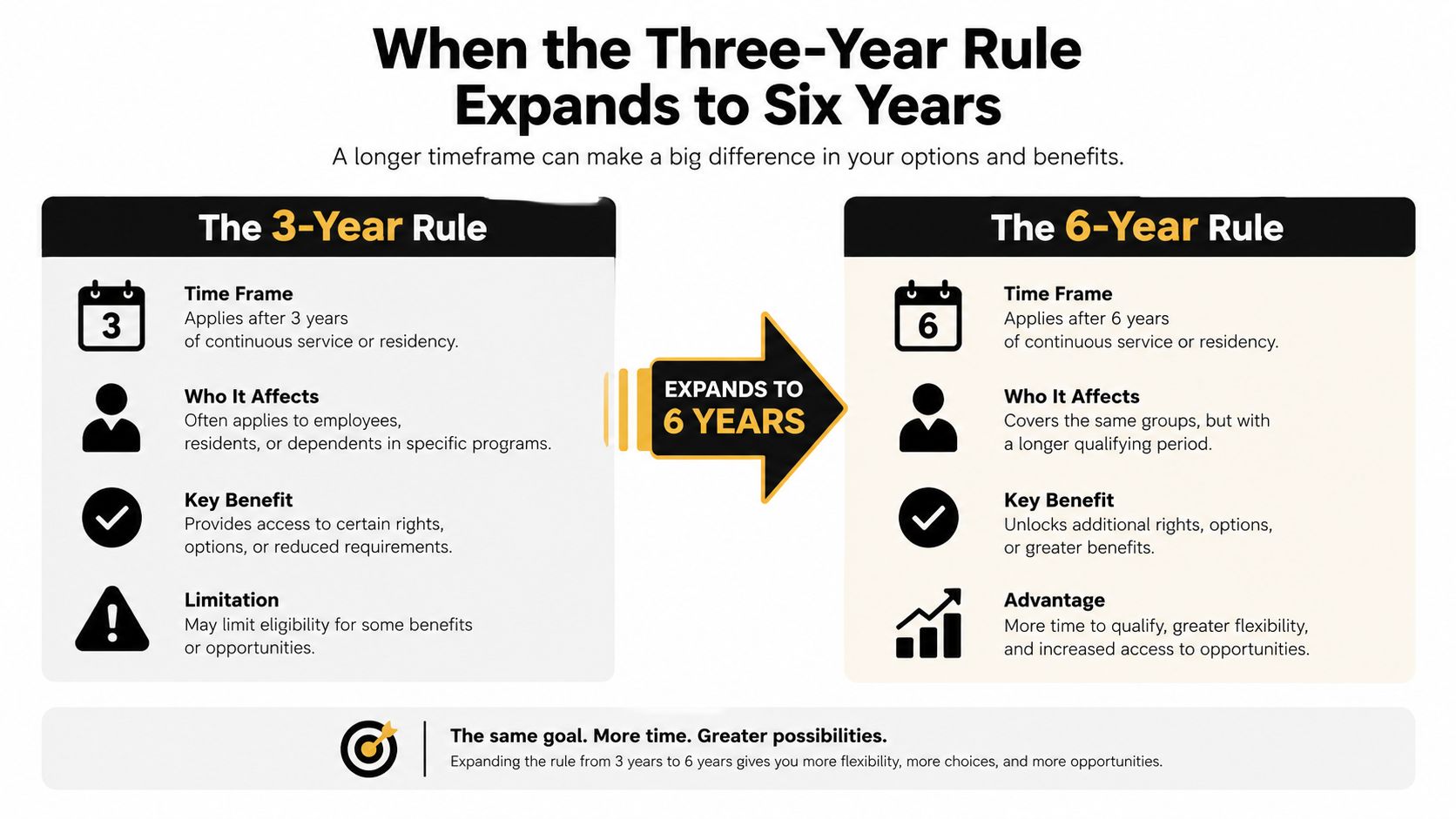
The ordinary 3-year rule is not the only assessment period. If a taxpayer omits more than 25% of gross income from a return, the assessment window can expand to 6 years, as explained in the IRS explanation of how long it can assess tax.
That threshold changes the risk calculation. A taxpayer may believe a return is approaching closure under the ordinary rule, while the IRS may argue that a substantial omission gives it a longer period to assess additional tax.
Omitted income is not the same as an overstated deduction
The six-year rule focuses on omitted gross income, not every serious tax mistake. That distinction is often overlooked by business owners who assume any large adjustment automatically extends the audit period.
| Filing problem | Limitations question |
|---|---|
| Income was left off the return | Could the omission exceed the statutory threshold? |
| A deduction was overstated | Does the error involve omitted gross income, or only an expense claim? |
| A credit was claimed incorrectly | Does the problem fit an exception to the ordinary period? |
| Bookkeeping contains broad errors | What specific items were omitted, and how does the law classify them? |
An omitted business receipt, unreported payment, or missing income item may raise a different limitations issue from an expense that was claimed too aggressively. The size of the resulting tax adjustment doesn't, by itself, answer which period applies.
The 25% threshold is therefore a review point, not a shortcut. Counsel should compare the gross income reported on the return with the income the IRS says should have been reported, then analyze whether the disputed items fall within the statutory definition.
A large deduction error and an omission of gross income can produce very different statute-of-limitations consequences.
The six-year rule is especially important for owners whose records are incomplete across several filing periods. A taxpayer shouldn't assume that the ordinary period controls just because no audit notice arrived earlier. A focused review of income reporting, information returns, ownership records, and bank activity can reveal whether the extended rule deserves attention. This explanation of IRS statutes of limitations provides additional context, but the correct analysis still depends on the particular return.
How to Calculate Your Specific Audit Deadline
Calculating an ASED requires more than counting backward from the date on an IRS notice. Start with the return at issue, identify the relevant filing dates, and then test whether an exception or extension changes the ordinary result.
Build the calculation from the return outward
Use this working sequence:
- Identify the tax year and return type. A personal income tax return, business return, and pass-through filing may involve different records and separate filing histories.
- Find the original due date. Don't substitute the date you remember sending the return. The original due date is one part of the later-date calculation.
- Confirm the actual filing date. Use the filing confirmation, certified-mail record, transcript, or preparer's submission record where available.
- Use the later of those dates. That date generally starts the ordinary 3-year assessment period under the rule described above.
- Test for the six-year income-omission rule. Determine whether more than 25% of gross income was omitted, rather than assuming that every adjustment qualifies.
- Check for agreements or procedural events. An IRS examiner may request an extension when an examination isn't resolved before the applicable period expires.
A late filing can change the starting point. An amended return can create additional questions, but it shouldn't be treated as an automatic reset without analyzing the governing rule and the contents of the amendment.
Verify the deadline against IRS activity
Keep a dated file containing every examination letter, information request, response, proposed adjustment, and extension document. The IRS may ask a taxpayer to extend the limitations period so an examination can continue. Signing such a document is a significant decision, not a routine administrative courtesy, because it can affect the government's remaining assessment time.
The right response depends on the trade-off. An extension may provide time to develop favorable evidence and negotiate unresolved issues. It may also preserve the IRS's ability to assess for longer than the taxpayer expected. Before signing, determine the proposed expiration date, the requested extension terms, and what benefit the additional time provides.
The Critical Difference Between Assessment and Collection
A closed assessment period doesn't automatically eliminate an existing tax debt. Assessment concerns when the IRS may formally determine and add additional tax. Collection concerns the government's ability to pursue a liability that has already been established.
That difference protects taxpayers from a dangerous assumption. If the IRS assessed tax before the applicable assessment period expired, the later expiration of the audit window generally doesn't undo that assessment. The IRS may still have collection rights under a separate limitations framework.
Two clocks, two legal questions
Think of the issue as two separate files:
- Assessment file: Can the IRS still add tax for the return?
- Collection file: Has tax already been assessed, and can the IRS still enforce that established balance?
The first question may involve the ASED, omitted income, fraud-related rules, unfiled returns, or an extension agreement. The second requires reviewing the assessment date, collection notices, payment history, bankruptcy events, offers, installment arrangements, litigation, and other events that may affect the collection period.
A taxpayer who confuses the two may stop making payment arrangements after hearing that the audit statute has expired. That can create exposure to collection action, including enforced remedies, even though the IRS may no longer be able to conduct a new assessment for that year.
A closed audit window can defeat a new assessment. It doesn't necessarily defeat collection of an assessment that already exists.
The practical response is to request and review the account transcript, assessment history, and collection records rather than relying on a single notice date. Taxpayers dealing with established balances can use this guide to understand the IRS collection statute expiration date, then match that analysis against the assessment history.
Settlement and payment decisions should follow this distinction. An expired assessment period may support an immediate challenge to proposed additional tax. An existing collectible balance calls for a separate plan, which could involve dispute analysis, payment arrangements, or another resolution strategy.
Scenarios Where No Statute of Limitations Applies
Waiting for the ordinary period to pass isn't a complete defense in every case. Certain filing behaviors can prevent a taxpayer from treating a year as safely closed, especially where the taxpayer never filed a return or the government alleges fraudulent conduct.
When the normal clock doesn't protect the taxpayer
An unfiled return creates a fundamental problem because the ordinary filing-based assessment calculation may not operate in the expected way. Fraud allegations create another. A taxpayer who knowingly submits false information, or who is accused of submitting a fraudulent return, should not assume that the ordinary assessment deadline will control.
These situations demand a different first step. The taxpayer should preserve records, avoid casual explanations to an examiner, and obtain advice before responding to questions that could affect both civil tax liability and other legal exposure.
International reporting can add another layer. Recent materials identify a separate rule involving the omission of more than $5,000 of specified foreign financial asset income, making foreign income and foreign assets an important edge case in limitations analysis, as discussed in this overview of the IRS audit statute of limitations.
Don't confuse a bad return with an open-ended period
The absence of a normal three-year defense doesn't mean every large mistake is automatically unlimited. As discussed earlier, the six-year rule generally focuses on omitted gross income, not merely overstated deductions or credits. The legal characterization of the conduct matters.
A careful review should ask:
- Was a return filed? If not, the ordinary filing-based deadline may not provide the expected protection.
- What income was omitted? Separate missing gross income from deductions, credits, basis issues, and classification disputes.
- Was fraud alleged or established? Fraud-related allegations require specialized handling and shouldn't be treated as an ordinary audit disagreement.
- Were foreign reporting rules involved? Foreign income and asset disclosures may carry separate limitations consequences.
- Was an extension signed? An agreement can keep the assessment issue active beyond the date the taxpayer originally calculated.
Waiting is not a strategy until the taxpayer knows which statute applies, when it began, and whether an exception changed the ending date.
A taxpayer who receives an IRS notice for an older year should have the deadline analyzed before providing substantive documents or agreeing to an extension. For issues involving intentional conduct or potential evasion, this discussion of the statute of limitations for tax evasion is a useful starting point, but it doesn't replace advice based on the actual return and examination record.
Tax Attorney Stephen A Weisberg helps individuals, business owners, and tax professionals analyze IRS audits, assessment deadlines, collection exposure, and related tax debt issues before they make costly decisions. Visit Tax Attorney Stephen A Weisberg to request a free Tax Debt Analysis and determine what options may be available for your specific IRS situation.


