S Corp Owning LLC: Tax Rules and Practical Setup Guide
S Corp Owning LLC. Can an S corp own an LLC? Learn the federal tax classification rules, QSub options, state considerations, and practical steps

In this article
- Yes, an S Corporation Can Own an LLC
- Legal ownership is not corporate stock ownership
- How the LLC Gets Taxed in This Structure
- The disregarded path
- Partnership or corporate treatment
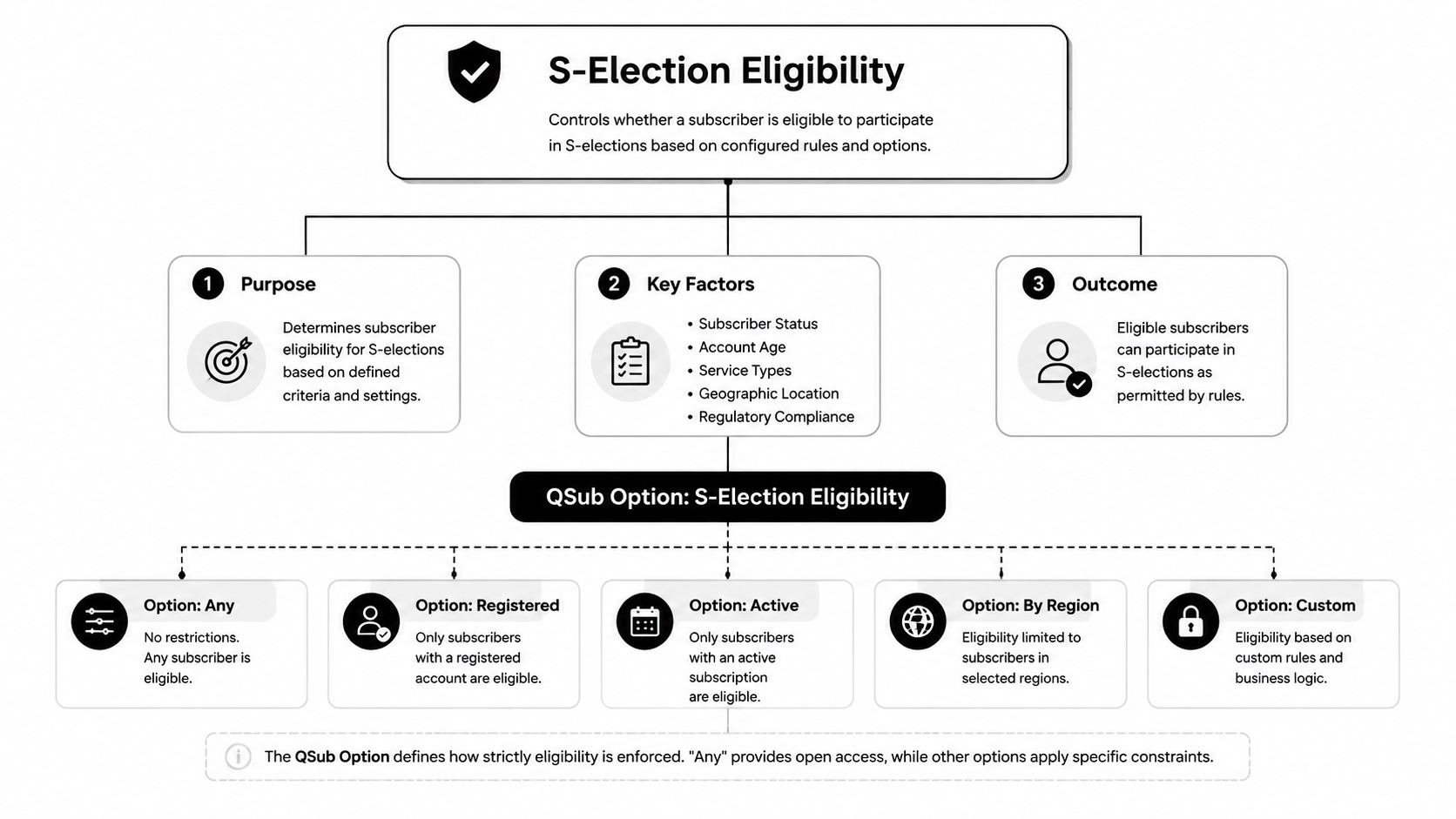
- S-Election Eligibility and the QSub Option
- Why the member list matters
- QSub treatment
- Practical Pros and Cons to Weigh
- What the structure can accomplish
- What owners often underestimate
- Two Scenarios That Bring the Rules to Life
- A multi-member operating venture
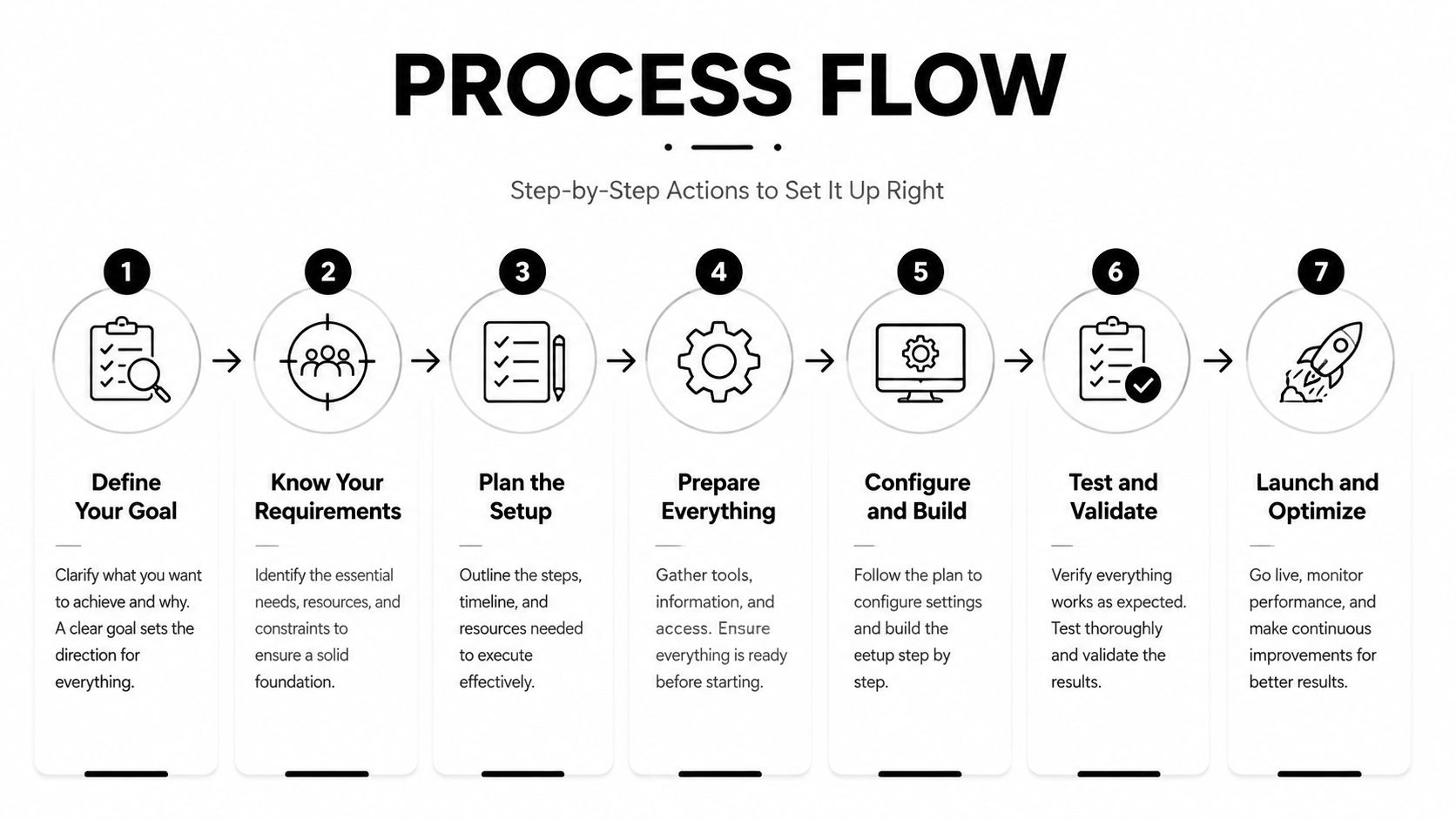
- Step-by-Step Actions to Set It Up Right
- Form and document the LLC
- Build the operating system
- Common Pitfalls and Recommended Next Steps
Yes, an S corporation can own an LLC. The key question is how the LLC is classified for federal tax purposes, because that classification determines whether the activity is reported through the S corporation or requires a separate entity return.
You may be looking at this structure because your consulting company is buying real estate, separating a new business line, or bringing another owner into a venture. The legal setup can be straightforward. The compliance work isn't. A disregarded LLC may avoid a separate federal income tax return, but it doesn't erase state registrations, bookkeeping, payroll responsibilities, operating agreements, or the need to preserve each entity's legal separation.
Yes, an S Corporation Can Own an LLC
An S corporation may hold a membership interest in an LLC. That ownership can be direct, and the LLC's operating agreement should identify the S corporation as the sole member or as one of several members. The ownership question is usually simple. The tax-classification question is where the consequences begin.
The IRS explains that a domestic LLC with one owner is generally treated as a disregarded entity unless it elects corporate taxation. An LLC with two or more owners generally defaults to partnership treatment unless it makes a corporate election. Those default rules apply based on ownership and election status, not merely on the fact that the owner happens to be an S corporation. See the IRS explanation of LLC filing as a corporation or partnership.
Legal ownership is not corporate stock ownership
Owning LLC equity isn't the same as owning shares of a corporation. The S corporation owns a membership interest governed by the LLC's operating agreement. That agreement controls voting rights, capital contributions, allocations, distributions, management authority, transfer restrictions, and what happens if another member joins.
A corporate shareholder typically looks to stock ownership and shareholder rights. An LLC member must also review capital accounts and distribution mechanics. An agreement may provide allocation rules that don't mirror simple ownership percentages, subject to applicable tax requirements and the terms negotiated by the members.
Practical rule: Treat the LLC as a real subsidiary, even when federal tax law treats it as transparent.
The reverse arrangement deserves more caution. An LLC owning S corporation stock can create an eligibility problem because S corporation shareholders are restricted to permitted individuals, certain trusts, estates, and other qualifying holders. A disregarded single-member LLC may be treated as owned directly by its underlying owner for this analysis, but a multi-member LLC or an entity taxed separately can produce a different result. For a useful comparison of the two tax classifications, review S Corp vs. LLC guidance.
So the answer to “can an S corp own an LLC?” is yes. Before signing formation documents, determine whether the LLC will remain disregarded, become a partnership, or elect corporate treatment. That choice controls the reporting path and affects how the parent preserves its S election.
How the LLC Gets Taxed in This Structure
An S corporation that acquires a single-member LLC usually gets a simpler federal tax result, but the legal entity still creates separate compliance work. Start with the LLC's member count, then confirm whether it has elected corporate tax treatment. The LLC may be disregarded, classified as a partnership, or treated as a corporation. Each path changes the return, bookkeeping, and how income reaches the S corporation.
The IRS describes the basic framework in its entity classification rules for LLCs. Classification controls which entity files, how deductions and income are reported, and whether the LLC needs a separate tax computation.
| Classification | Default Trigger | Tax Return Filed | Key Practical Effect |
|---|---|---|---|
| Disregarded entity | One owner, no corporate election | Activity is reported through the owner's return | The S corporation generally reports the LLC's income and deductions on Form 1120-S |
| Partnership | Two or more owners, no corporate election | Form 1065, with Schedule K-1 reporting | The S corporation reports its distributive share from the LLC's K-1 |
| Corporation | Form 8832 election for corporate treatment | Separate corporate return, generally Form 1120 for C corporation treatment | The LLC becomes a separate federal taxpayer and reporting layer |
The disregarded path
With the S corporation as the only owner, the LLC is generally disregarded for federal income tax purposes unless it elects another classification. Its income and deductions are reported through the parent's federal return, as though the LLC were a division of the S corporation. The LLC remains a separate legal entity, even though it does not file its own federal income tax return under this treatment.
That result simplifies federal reporting, not operations. Keep separate ledgers, bank accounts, contracts, invoices, and asset records. Review state requirements separately because a state may require an LLC income tax filing, franchise tax, annual report, or other registration even when federal treatment is disregarded. Update payroll registrations and EIN records when ownership or the responsible party changes. Bookkeeping must identify the LLC's activity clearly enough to support the parent's Form 1120-S.
A disregarded status is a federal tax classification, not permission to ignore the subsidiary.
Partnership or corporate treatment
Adding another owner generally moves the LLC into partnership treatment by default. The LLC files Form 1065 and issues a Schedule K-1 to the S corporation for its distributive share. The operating agreement then matters directly because it governs economic rights, allocations, capital contributions, and distributions. Review it whenever ownership changes.
An LLC may elect corporate treatment by filing Form 8832. An LLC seeking S corporation treatment generally files Form 2553 after meeting the eligibility requirements, and a qualifying entity files Form 1120-S with owners receiving Schedule K-1 reporting. The filing mechanics and election sequence are summarized in this guide to an LLC electing S corporation tax status.
Timing matters. Form 8832 uses an effective-date process with a limited filing window, and late-election relief may be available under IRS procedures. Confirm the intended effective date, the entity's actual treatment, and whether prior returns match that position. Do not assume a late filing corrects inconsistent records.
State filings, payroll accounts, EIN updates, and intercompany bookkeeping should follow the ownership change, not trail behind it. For a practical filing workflow, use this step-by-step LLC tax filing guide.
Self-employment tax, the qualified business income deduction under Section 199A, and net investment income tax depend on the activity, ownership, compensation, and classification. Analyze those items separately. Classification is the starting point, not a promise of a particular tax result.
S-Election Eligibility and the QSub Option
An S corporation's ownership of an LLC doesn't automatically threaten the S election. The danger arises when the LLC's classification or ownership causes an impermissible ownership chain, reporting mismatch, or downstream shareholder problem.
S corporation stock may generally be held only by permitted shareholders under Subchapter S rules. The permitted categories include individuals, certain trusts, and estates. A corporation or partnership generally can't own S corporation stock directly. That is why an S corporation-owned LLC should not casually elect S corporation treatment itself. An entity taxed as a corporation can create a separate corporate taxpayer, while a structure involving S corporation stock requires a different eligibility analysis.
Why the member list matters
A disregarded single-member LLC may be treated as owned directly by its underlying owner for S corporation eligibility analysis. That substance-over-form approach has appeared in historical IRS guidance. Once the LLC is no longer disregarded, however, the tax and ownership path changes.
A partnership-classified LLC can have an S corporation as a member. The partnership reports its activity on Form 1065 and passes the S corporation's share through Schedule K-1. The parent then reports those items on Form 1120-S. If the LLC's ownership changes, review the entire chain before admitting a new member or changing its tax election.
QSub treatment
A Qualified Subchapter S Subsidiary, or QSub, can provide a clean federal structure when the S corporation owns all of the subsidiary. The parent makes the QSub election on Form 8869. For federal purposes, the subsidiary's activity is generally included with the parent's Form 1120-S reporting.
A QSub isn't just another name for a disregarded LLC. A disregarded LLC reaches that status through its default classification or an applicable election. QSub status is an S corporation subsidiary election with its own eligibility requirements and filing process. The legal entity can still matter for liability segregation, contracts, licenses, and state administration.
Most owners don't need a reverse QSub analysis. It becomes relevant only in unusual ownership structures. Before converting an LLC or making an entity election, compare the alternatives described in this LLC conversion guide with the parent corporation's existing ownership and tax records.
Practical Pros and Cons to Weigh
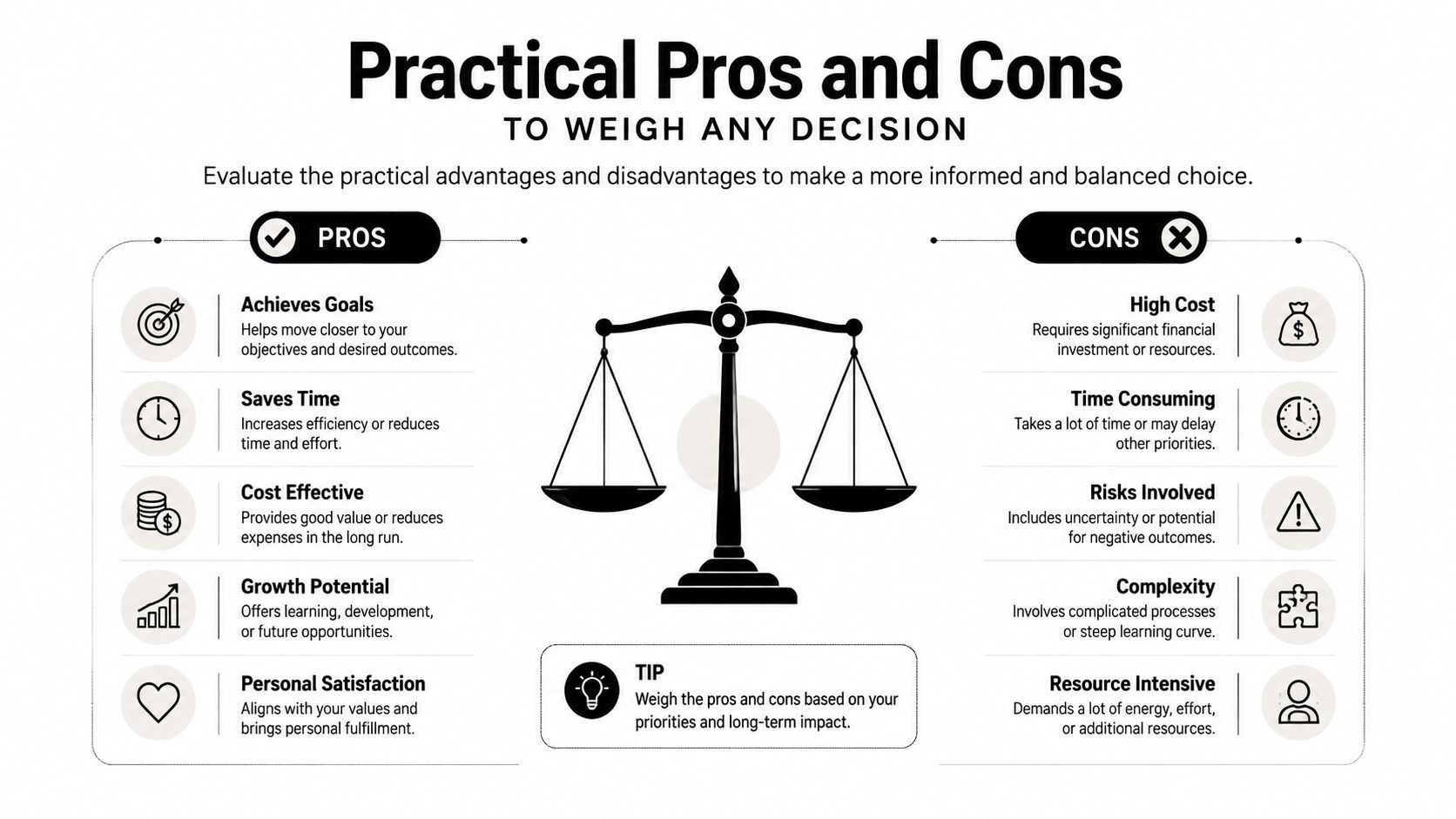
An S corporation owning an LLC can solve a genuine business problem, but it can also create paperwork without delivering a meaningful advantage. I recommend using the structure when the LLC has a distinct liability profile, asset base, ownership group, or exit strategy. I don't recommend forming it merely because the structure sounds more complex.
What the structure can accomplish
Liability segregation is the clearest business reason. An LLC holding real estate, intellectual property, equipment, or a separate operating line can create a legal boundary between that activity and the S corporation's other operations. The boundary works only if the entities maintain separate records, contracts, accounts, and decision-making.
Pass-through reporting can be efficient when the LLC remains disregarded or is taxed as a partnership. The income and deductions ultimately reach the S corporation through the applicable reporting path rather than creating an automatic second layer of federal income tax.
A partnership-tier structure can also provide allocation flexibility through its operating agreement, although the allocations must satisfy tax rules and reflect the economic arrangement. That flexibility can be useful in a genuine joint venture, not as a substitute for documenting commercial reality.
What owners often underestimate
The compliance burden is real. You may need separate annual reports, state registrations, sales tax accounts, franchise tax filings, licenses, bank accounts, insurance policies, and books. State treatment may not follow federal disregarded status, so the parent and LLC can still have distinct state obligations.
Audit administration also changes. A partnership may involve partnership-level audit procedures, while a disregarded entity's activity is handled through the parent. The practical effect depends on the facts, but the tax preparer must reconcile records across the entities.
Exit planning deserves attention before formation. Selling assets and selling an LLC membership interest can produce different tax and legal results. Basis, liabilities, contracts, and buyer preferences all matter. If the entity will hold valuable assets, discuss the eventual sale before transferring them.
My recommendation: If the LLC has no separate risk, assets, owners, or exit purpose, keep the structure simpler. Two entities are justified by a business need, not by appearance.
The S corporation's broader strategic fit also matters. Review when S corporations may not be a good idea before adding a subsidiary to a tax classification that may already be limiting your financing, ownership, or distribution plans.
Two Scenarios That Bring the Rules to Life
Consider a solo consultant whose S corporation owns a separate LLC holding rental real estate. The S corporation is the LLC's only member, and the LLC makes no corporate tax election. For federal purposes, the LLC is generally disregarded, so the activity is reported through the S corporation's Form 1120-S rather than through a separate LLC federal income tax return.
The legal separation still matters. The LLC should hold title, sign the lease, maintain its own bank account, pay property expenses, and carry appropriate insurance. The CPA will also ask whether the state requires a separate annual report, franchise tax filing, registration, or local account even though federal reporting runs through the parent.
A multi-member operating venture
Now consider a professional services business in which the S corporation owns an interest in an operating LLC alongside two individual members. The LLC has more than one owner and therefore generally defaults to partnership treatment unless it elects corporate taxation. It files Form 1065 and issues Schedule K-1 reporting to the S corporation and the other members.
The operating agreement should address capital contributions, management authority, distributions, tax allocations, member loans, deadlock procedures, and transfers. The S corporation reports its K-1 items on Form 1120-S, while each individual member handles the items reported to that member.
The CPA will focus on whether the owner list matches the agreement, whether contributions and distributions were booked correctly, whether payroll belongs in the LLC or the parent, and whether state filings follow the actual work locations. The attorney will focus on governance, liability, transfer rights, and whether the arrangement supports the intended exit.
These scenarios show why owner count is not a minor detail. Moving from one member to multiple members changes the default federal classification and the reporting path. It can also change bookkeeping, state registrations, payroll administration, and the documents needed to support the arrangement.
Step-by-Step Actions to Set It Up Right
Start with the parent. Confirm that the S corporation is in good standing, its ownership records are current, and its Form 1120-S filings are consistent with the actual business. Don't build a subsidiary on top of unresolved payroll, income tax, or shareholder-record problems.
Form and document the LLC
Choose the formation state: Form the LLC where it will conduct business or hold assets, then identify any foreign registrations required elsewhere.
Draft the operating agreement: Name the S corporation as the sole member or co-member. State management rights, contributions, distributions, allocations, transfer restrictions, and procedures for admitting another owner.
Obtain the appropriate EIN: An entity-owned LLC may need its own EIN for banking, payroll, state accounts, or operational administration, even when its federal income tax activity is reported through the S corporation. Confirm the EIN treatment with the filing professional before submitting applications.
Confirm the tax classification: Leave a qualifying single-member LLC in its default disregarded status when that is the intended result. If corporate treatment is desired, address Form 8832 and its effective date before operations begin. If S corporation treatment is being considered, review Form 2553 eligibility and timing separately.
Build the operating system
Update ownership records: Record the membership interest on the S corporation's books and preserve the purchase, contribution, or transfer documents. Coordinate shareholder reporting and any compensation records affected by the arrangement.
Register with the state: Check franchise tax, sales tax, employer, annual report, professional licensing, and local registration requirements. Federal disregarded status doesn't answer those state questions.
Separate the books: Use separate bank accounts, ledgers, invoices, contracts, and expense approvals. If employees move between entities, establish the correct payroll account, employment records, workers' compensation coverage, and withholding registrations.
A management agreement or reimbursement policy can document services shared between the entities. Price and record those arrangements consistently. Keep a calendar for federal returns, state filings, payroll deposits, license renewals, annual reports, estimated payments, and information returns.
A clean tax return cannot repair sloppy entity records. Set up the books and legal documents before the first transaction.
Common Pitfalls and Recommended Next Steps
The most common failures are operational, not theoretical. Owners understand that the S corporation can own the LLC, then stop paying attention to what happens after formation.
Late classification elections: If the LLC has operated under one classification but someone later files an election with a different intended effective date, the returns may not match the entity's actual status. Confirm the election date, review late-election relief, and amend or correct filings when necessary.
An unnoticed ownership change: Adding a member can move a single-member LLC into partnership treatment. Review the owner list before signing an admission agreement, issuing an interest, or transferring property.
An ineligible S corporation shareholder: An LLC that owns S corporation stock can create problems when its members are not eligible shareholders. Trace ownership through every tier before transferring S corporation stock.
Assumed state conformity: A federal disregarded entity may still have separate state registration, tax, annual report, sales tax, or licensing obligations. Ask each state agency what the LLC must file rather than relying on the federal return.
Payroll assigned to the wrong entity: Employees should be paid by the entity that employs them and controls the work, with proper payroll registrations and records. If workers move from the LLC to the S corporation, update payroll accounts, employment documents, insurance, and bookkeeping at the same time.
A missed election when changing classification: An LLC seeking S corporation treatment must address Form 2553 after meeting the eligibility requirements. An LLC seeking corporate treatment generally addresses Form 8832 first. Check the filing sequence before treating the LLC as a corporation.
EIN and banking confusion: Ownership transfers, new payroll accounts, and state registrations can require updated identification and account records. Don't let the LLC use the parent's bank account just because the federal return is consolidated in practice.
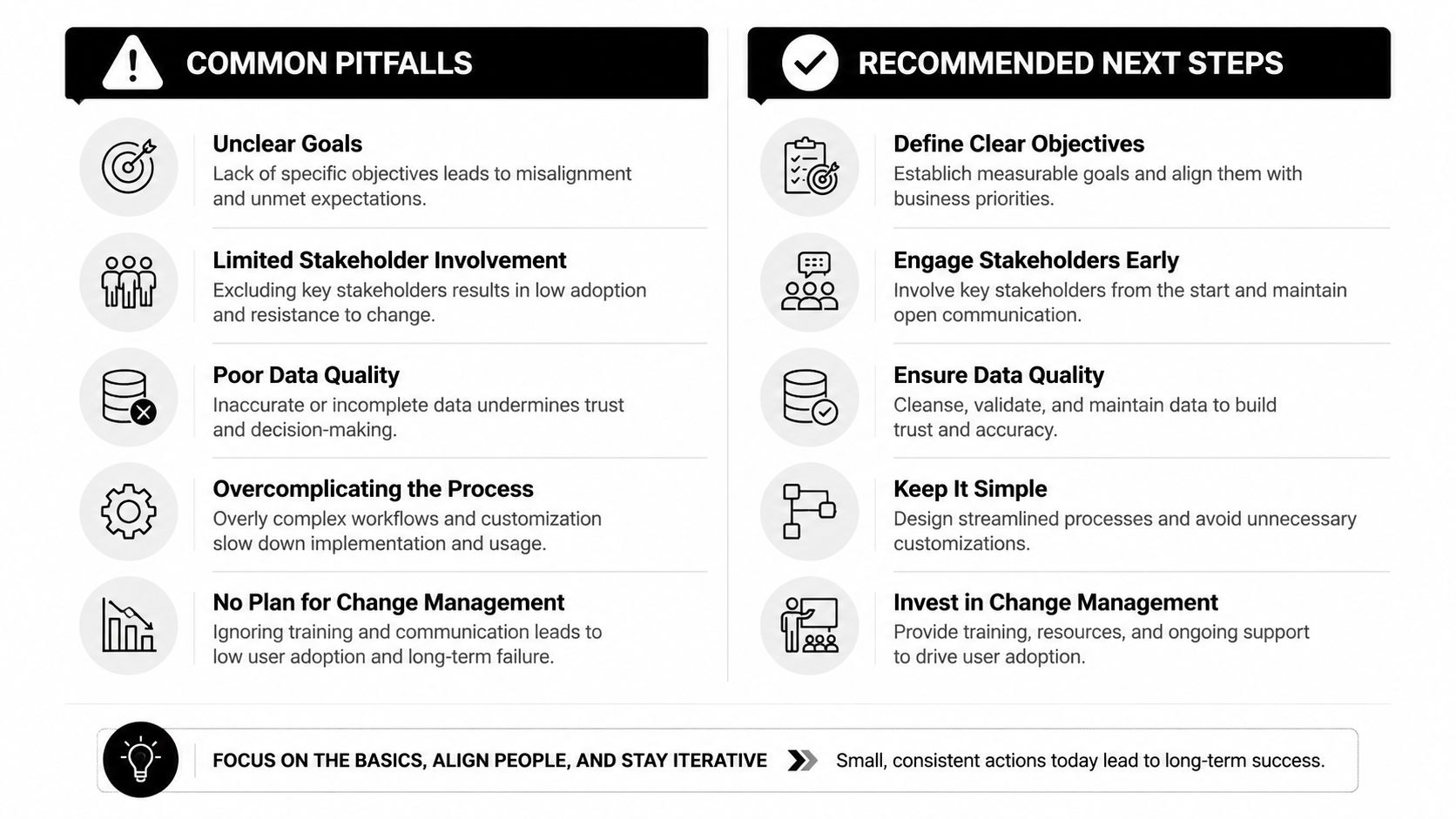
Before signing restructuring documents, complete this checklist:
- Verify owner eligibility: Trace the LLC and S corporation ownership chain.
- Confirm the intended classification: Decide whether disregarded, partnership, or corporate treatment fits the business.
- Align federal and state filings: Put every registration and return on one compliance calendar.
- Set up payroll correctly: Identify the employing entity and update accounts before wages are paid.
- Document the arrangement: Execute the operating agreement, contribution records, intercompany agreements, and separate books.
- Get advice before closing: Have a tax advisor review the structure before you transfer assets, admit owners, or file an election.
Tax Attorney Stephen A Weisberg advises individuals and businesses on entity classification, S corporation filings, IRS audits, tax debt, and state tax problems, including the compliance issues that arise when an S corporation owns an LLC. Visit Tax Attorney Stephen A Weisberg to request guidance on your proposed ownership, filing, payroll, and restructuring documents before the arrangement becomes difficult to correct.


